For some teenage girls in Rwanda's Western Province, the people expected to protect them are allegedly the same people responsible for their suffering.
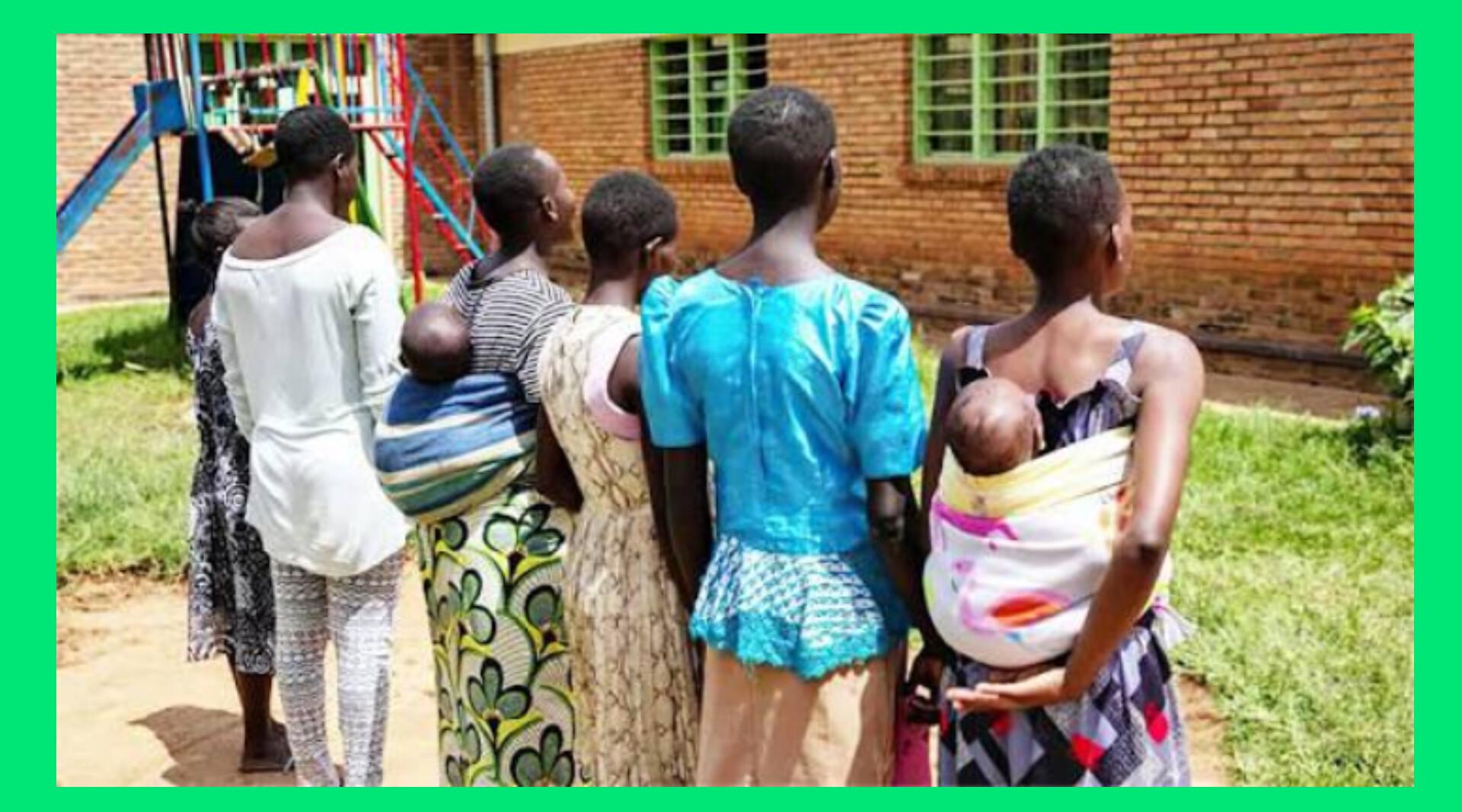
Umutoni Marie (not her real name), from Rusizi District, Tuyishime Alice (not her real name), from Karongi, and Ingabire Claudine (not her real name), from Nyamasheke, represent a disturbing child protection concern involving teenage pregnancies allegedly resulting from sexual abuse within family environments.
Their identities have been concealed to protect their privacy and safety.
These cases raise questions about how sexual abuse can remain hidden within families, particularly when victims depend on relatives for shelter, financial support and protection. Fear, threats and family pressure can prevent children from reporting perpetrators.
Minister calls for collective responsibility
On June 26, 2026, Rwanda's Minister of Gender and Family Promotion, Consolée Uwimana, addressed a national youth forum in Kigali under the theme “Building a Capable and Safe Family: Accelerating Actions to Prevent and End Teenage Pregnancy.”
The Minister emphasised that protecting children is a shared responsibility, saying:
“Protecting children is a shared responsibility. Every child deserves to grow in a safe environment where their rights are respected and their potential is supported.”
She called on young people, parents and local leaders to participate in preventing sexual abuse and teenage pregnancy, stressing the importance of safe family environments and positive parenting.
Her message raises an important question in cases where abuse allegedly occurs within families: who protects children when the people entrusted with their safety become a source of danger?
Research reveals abuse within families
Research by Rwanda's National Commission for Human Rights (NCHR), published in its 2023/2024 annual report, examined 690 pregnant teenagers.
The findings showed that 470 girls, representing 68 per cent, were under 18 and had become pregnant following sexual offences against children.
More disturbingly, 20 teenagers, representing 2.9 per cent of the sample, had been impregnated by family members.
The Commission also found that 78 per cent of the teenagers surveyed had dropped out of school following pregnancy and had not returned.
These findings demonstrate that sexual abuse within family environments is not merely an individual tragedy but a wider child protection concern.
Teenage pregnancy remains a national concern
The 2025 Rwanda Demographic and Health Survey reported that 8 per cent of girls and women aged 15–19 had ever been pregnant.
A separate study published in Reproductive Health in February 2026, examining the socioeconomic experiences of teenage mothers in Rwanda, documented challenges including poverty, coercion, family rejection, stigma and interrupted education.
Although these studies do not establish how many girls in Karongi, Rusizi and Nyamasheke were impregnated by relatives, they reveal the wider consequences of teenage pregnancy and exploitation.
Breaking the silence
The experiences of Marie, Alice and Claudine highlight the urgent need for effective reporting systems, professional investigations and protection for children who experience sexual violence.
Families should not resolve sexual abuse through private agreements or pressure victims into silence. Suspected offences must be reported to the relevant authorities.
Schools, healthcare workers, local leaders and child protection institutions also have a responsibility to ensure survivors receive medical care, psychological support and opportunities to continue their education.
The three cases raise questions that require answers from district authorities and law enforcement institutions: how many children are experiencing abuse within their families, how many cases are being investigated, and what protection is available to victims?

Leave a comment
Your email address will not be published. Required fields are marked *