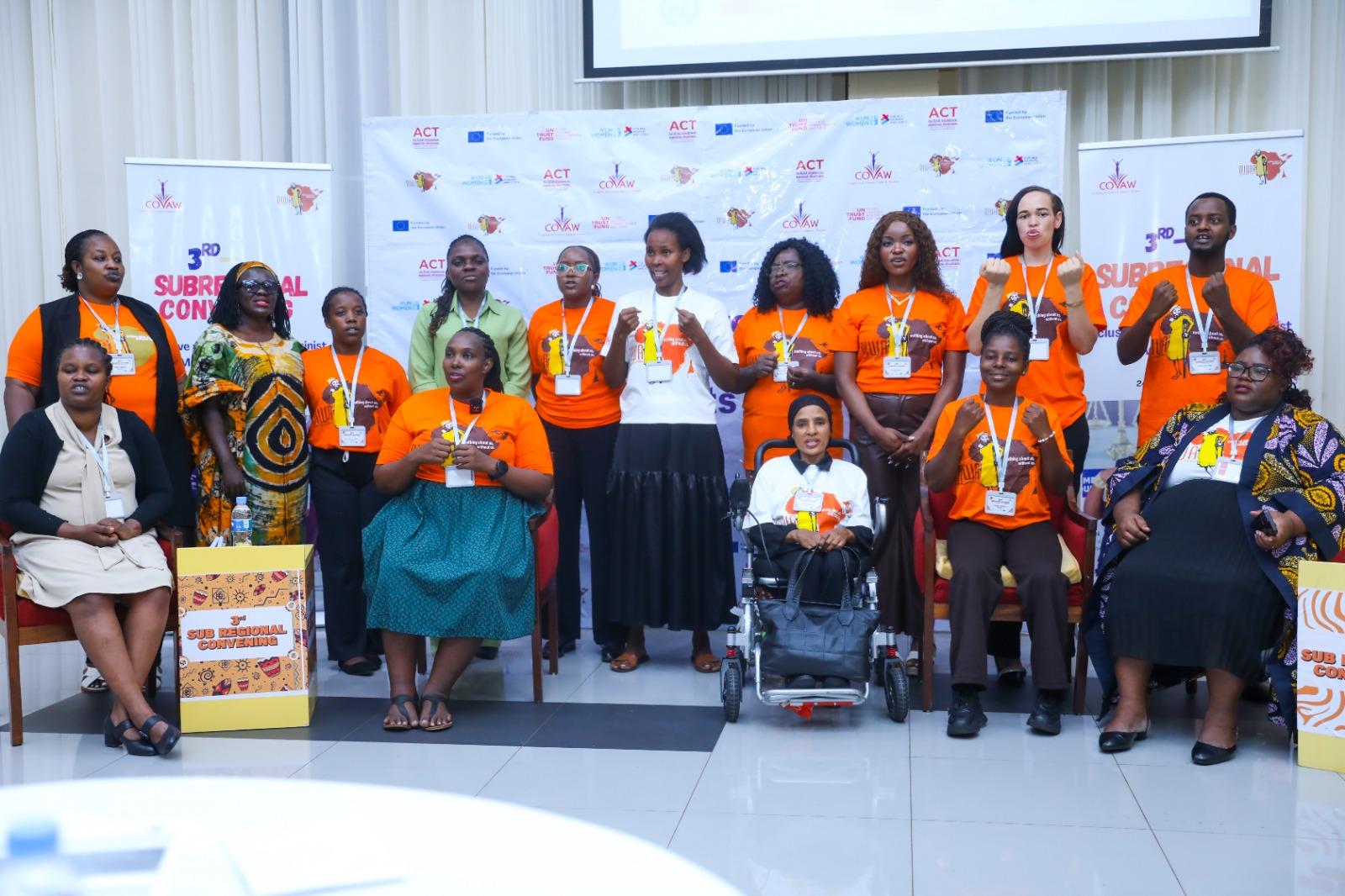
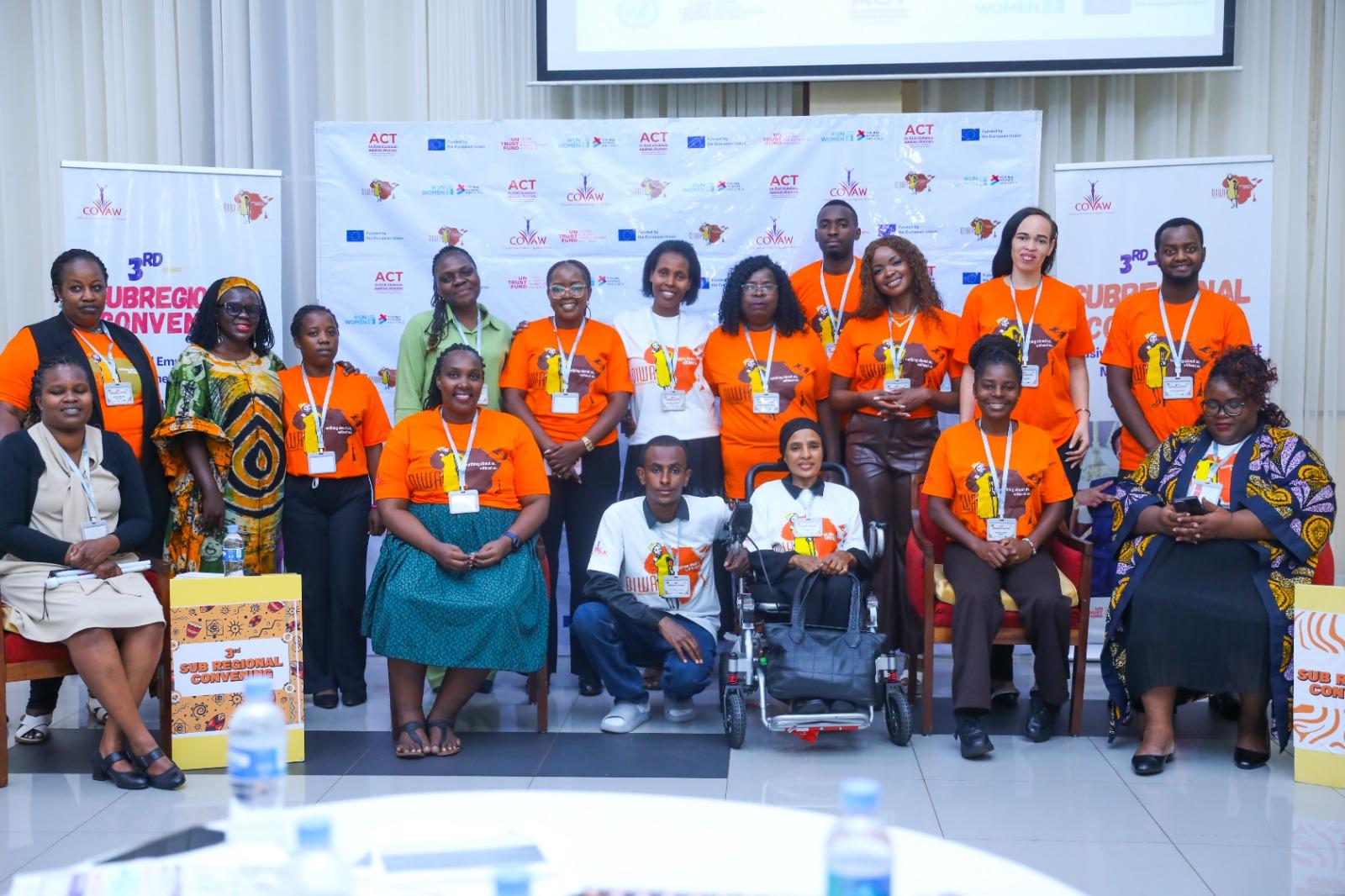
Kigali — A regional convening bringing together women with disabilities, feminist organizations, women’s rights organizations, and organizations of persons with disabilities has highlighted the importance of intergenerational leadership, collaboration, and the meaningful participation of women with disabilities in efforts to end violence against women and girls .
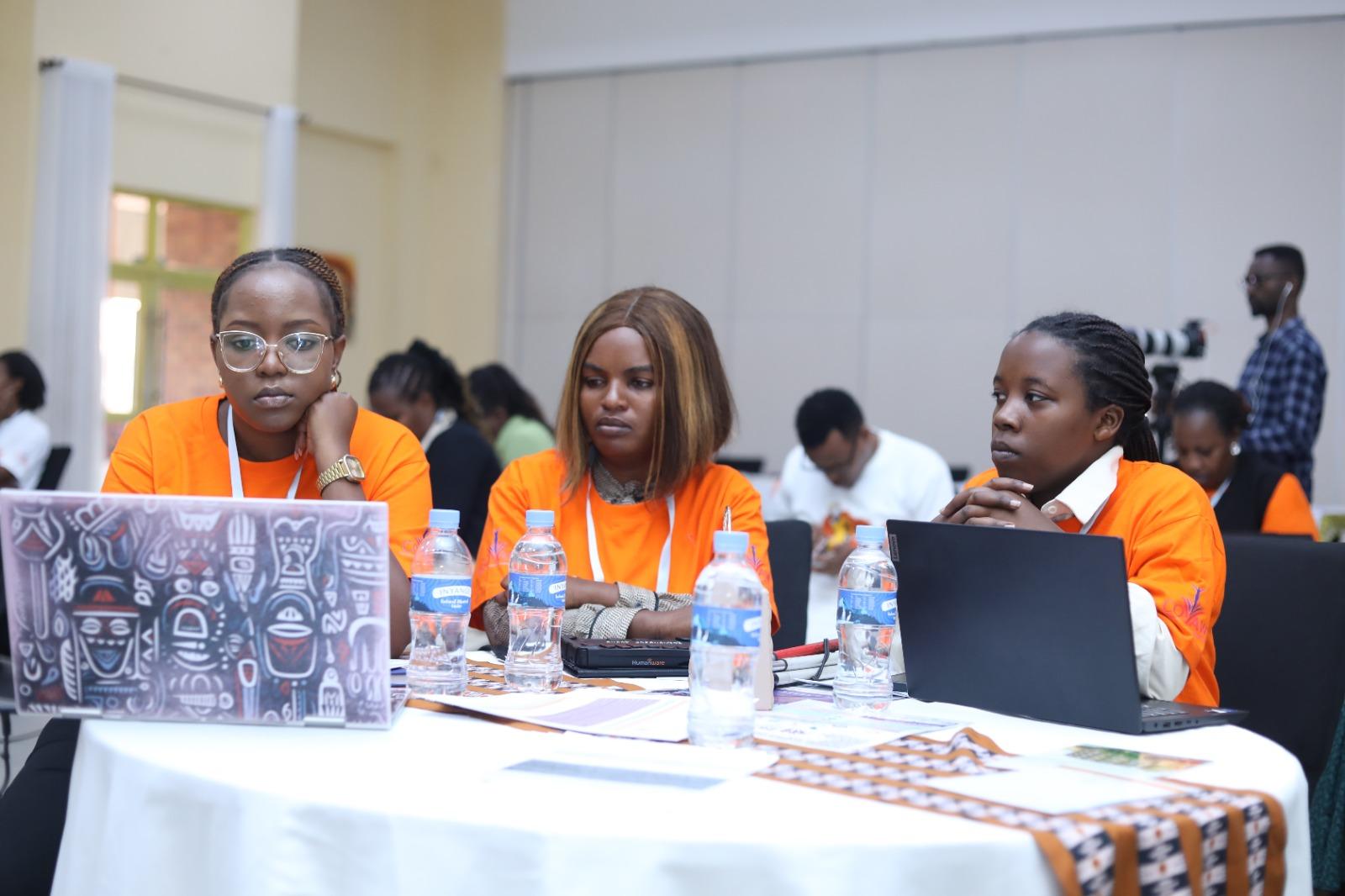
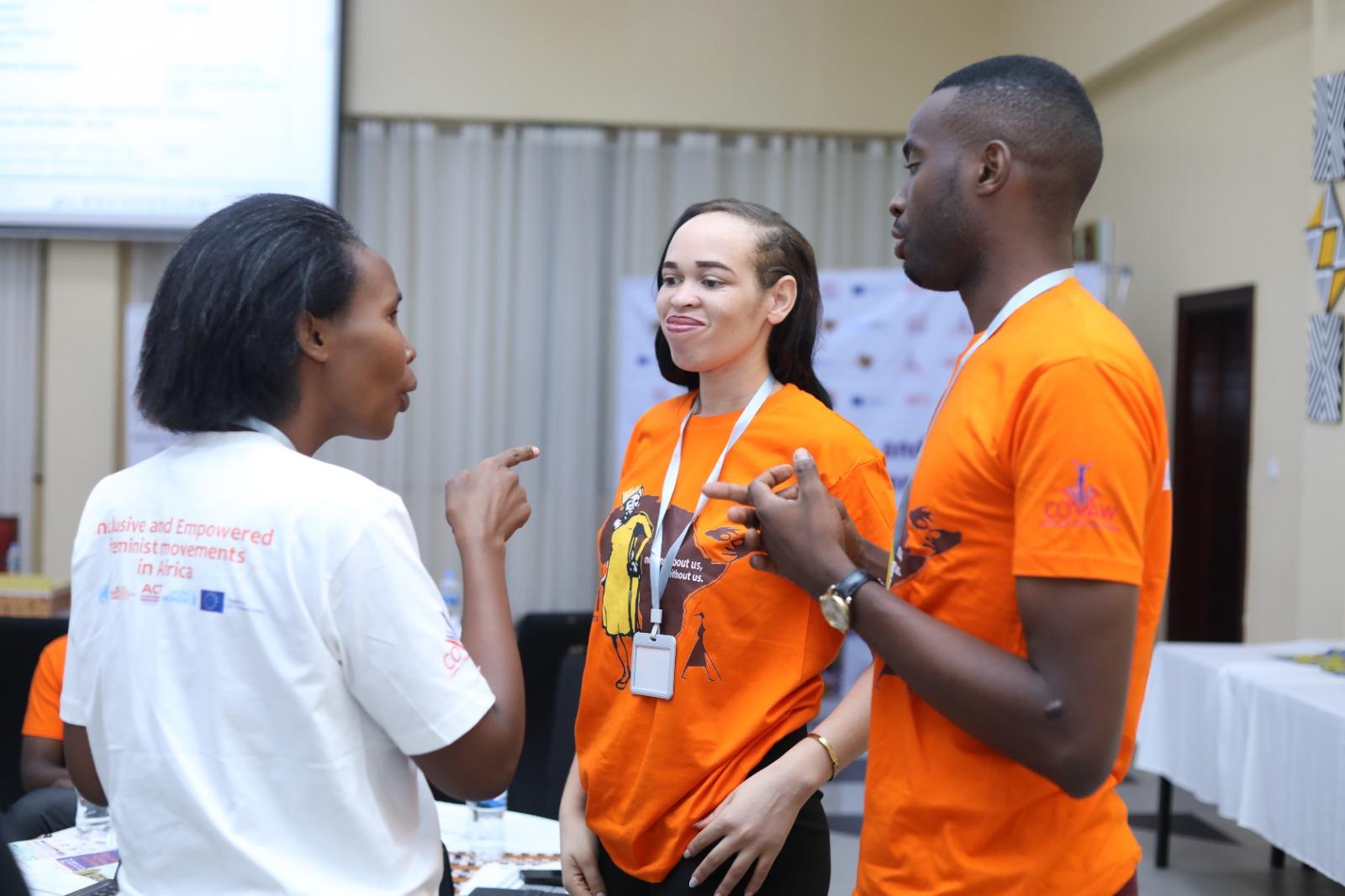
The two-day meeting, held from 24–25 September 2026, brought together participants from countries including kenya, Malawi, Rwanda and Ethiopia . The event created a dynamic platform for attendees to exchange experiences, discuss systemic challenges, and develop collaborative strategies for strengthening advocacy.
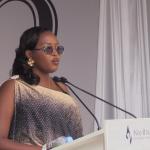
Speaking during the convening, Ruth Mkutumula , Executive Director of Disabled Women in Africa (DIWA), noted that the discussions focused heavily on freedom, intergenerational leadership, and strengthening the capacity of young people to become leaders and advocates. She added that the meeting produced a comprehensive outcome statement capturing the distinct barriers faced by women with disabilities, alongside the structural gains achieved through years of dedicated advocacy.
“We have come together to develop action plans. We hope that our discussions and collaboration will not end with this second meeting, but will continue as a platform where women with disabilities can share resources and knowledge and advocate effectively in different spaces,” Mkutumula said.
She also pointed to emerging opportunities for regional and continental advocacy, including direct engagement within African Union spaces and policy processes . According to Mkutumula, the meeting successfully strengthened connections between women with disabilities and broader feminist movements, particularly around addressing violence. She highlighted the upcoming 16 Days of Activism against Gender-Based Violence (25 November to 10 December) as a critical window for collective awareness-raising.
Women with disabilities as co-creators
Christine Ayugi, a Program Officer at the Coalition on Violence Against Women (COVAW) in Kenya, emphasized that the convening provided a vital bridge between feminist groups and organizations of persons with disabilities. Ayugi noted that a central takeaway from the discussions was the urgent need to stop viewing women with disabilities simply as passive beneficiaries of developmental programs.
“Women with disabilities are not merely beneficiaries of programs. They are resourceful co-creators of programs that affect their lives,” Ayugi said.
She added that women with disabilities possess grassroots knowledge and tangible solutions to challenges affecting their communities. Because of this, they must be given the opportunity to lead efforts aimed at transforming the circumstances that disadvantage them.
Building stronger movements
Ayugi noted that the convening has significantly strengthened momentum for disability rights advocacy, emphasizing that women with disabilities should always be at the forefront of speaking on issues that directly impact them. She highlighted the active participation of influential networks, including the African Women’s Development and Communication Network (FEMNET) and the African Disability Forum .
According to Ayugi, their participation demonstrated the power of cross-movement solidarity. This collaboration helps organizations move beyond working in separate “silos” and instead confront violence against women and girls with disabilities through unified cooperation.
From discussions to action
Participants departed the convening with concrete action plans designed to sustain momentum long after the meeting concludes. The closing discussions underscored the importance of continuous resource-sharing, knowledge transfer, and mapping advocacy opportunities.
The workshop served not only as a reflective space for existing challenges but as a launchpad for boosting leadership. Attendees left equipped to influence mainstream policy and drive the regional agenda to end violence against women and girls.
Reflecting on the personal impact of the event, participant Yvette Nikuze shared that a key milestone of the two-day workshop was the open discussion on the unique societal hurdles faced by people with albinism.
"It is not easy; we face many obstacles," Nikuze said. "Society may not understand or view us the same way as others, but one eventually adapts, depending on how one's family treats them. I was fortunate to have a loving family on both my mother’s and father’s sides; they loved and cared for me, and ensured I completed my education, including university. Therefore, I encourage my peers to have self-confidence. I intend to be an ambassador for those who could not be here, sharing what I have achieved and what I learned during this workshop. I will be a good representative."
Adding to this vision of unity, Vanessa Niyonkuru noted that the most critical insight from the collective sessions is the pressing need to formalize a single, united network. Doing so, she emphasized, will ensure their collective voices reach a wider global audience and guarantee that vital information is shared and received across borders in a timely manner.

Leave a comment
Your email address will not be published. Required fields are marked *