Farmers in Murundi Sector, Kayonza District, say soybean farming is improving their livelihoods and transforming agricultural practices as the FARM P3 Project strengthens market access, increases production, and reduces post-harvest losses.
Members of Abakundamurimo Murundi Cooperative say the project has helped them shift from unorganized farming to more productive and professional agriculture through training and demonstration plots.
Innocent Mutuyimana, a farmer facilitator at the cooperative, said farmers previously experienced low yields and heavy losses due to poor farming methods.
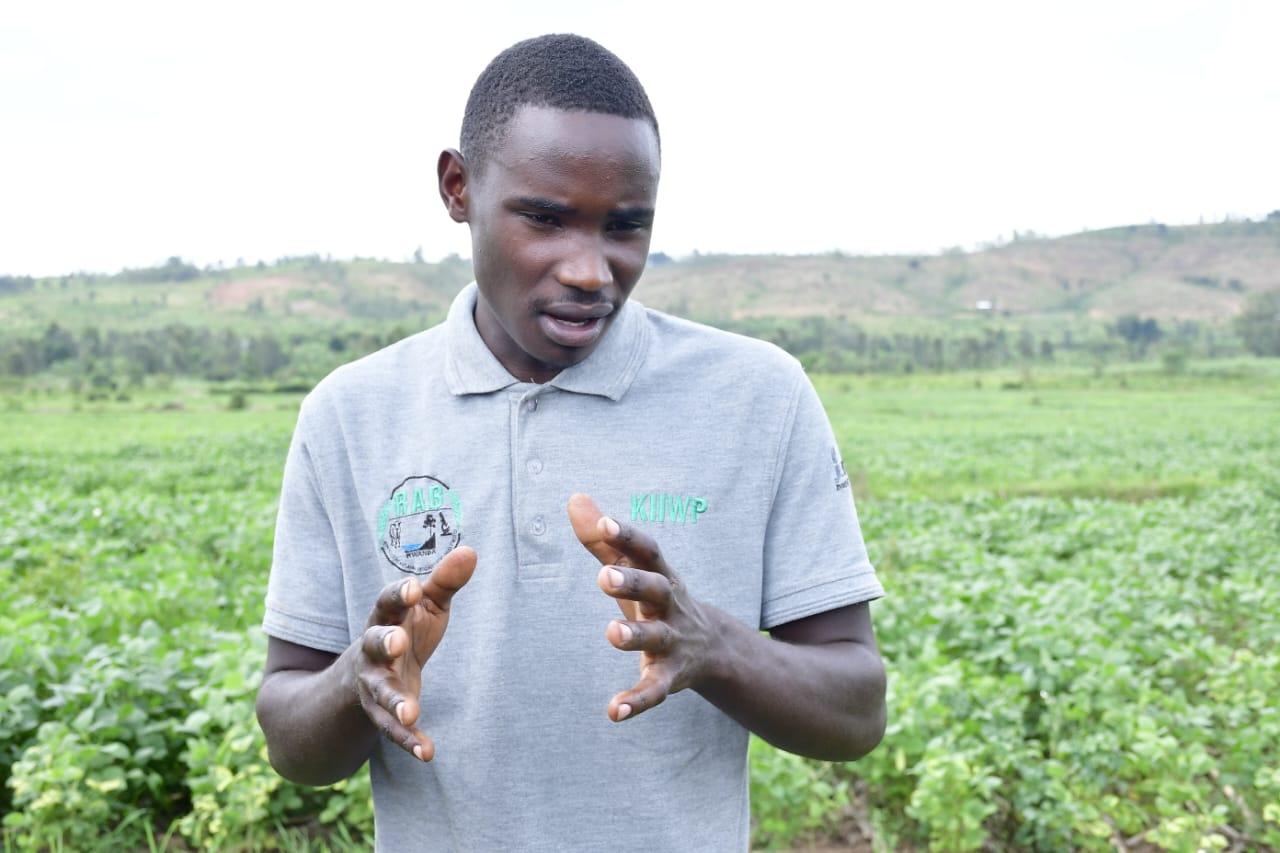
Innocent Mutuyimana, a farmer facilitator at Abakundamurimo Murundi Cooperative, shares how improved soybean farming practices under the FARM P3 Project have increased production in Murundi Sector, Kayonza District.
“Between 2021 and 2023, we were growing soybeans in an unorganized way and making losses,” he said. “Through FARM P3 demonstration plots, we harvested 540 kilograms from just 30 ares, which encouraged us to farm more professionally.”
According to Mutuyimana, training in row planting and Good Agricultural Practices (GAP) has improved productivity while reducing post-harvest losses that once ranged between 20 and 30 percent.
The cooperative now expects between 25 and 30 tonnes of soybeans from 8 hectares, compared to only 4 to 5 tonnes harvested in previous seasons.
Farmers also say soybean farming is helping improve household incomes and living conditions.
Joselyne Bosenibo, a mother of five and member of the cooperative, said soybean farming has enabled her to support her children, buy livestock, and invest in income-generating activities.
“I bought a goat worth Rwf 50,000, and I also invested Rwf 2.8 million in a motorcycle for my son, who now helps transport farm produce,” she said.
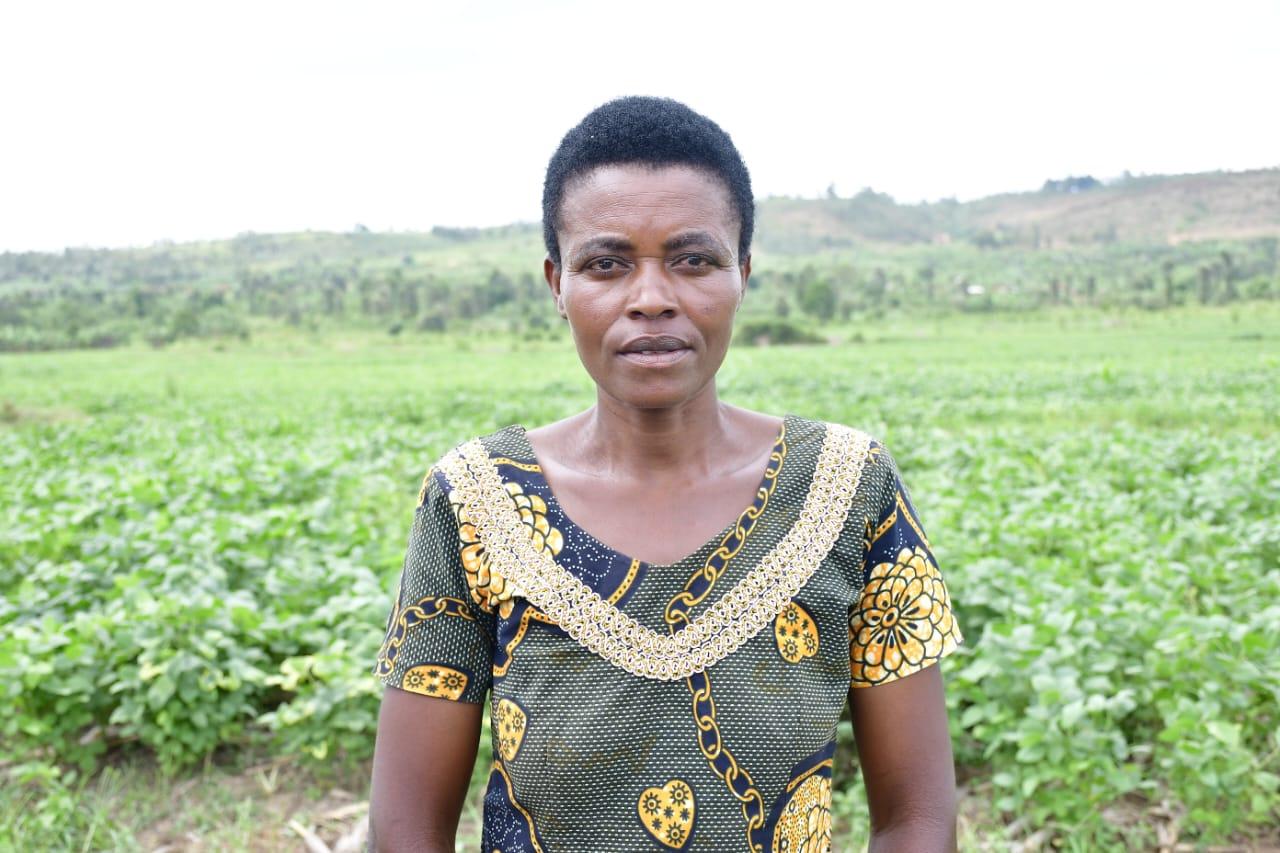
Joselyne Bosenibo, a member of Abakundamurimo Murundi Cooperative, explains how soybean farming has improved her family’s income and livelihood in Kayonza District.
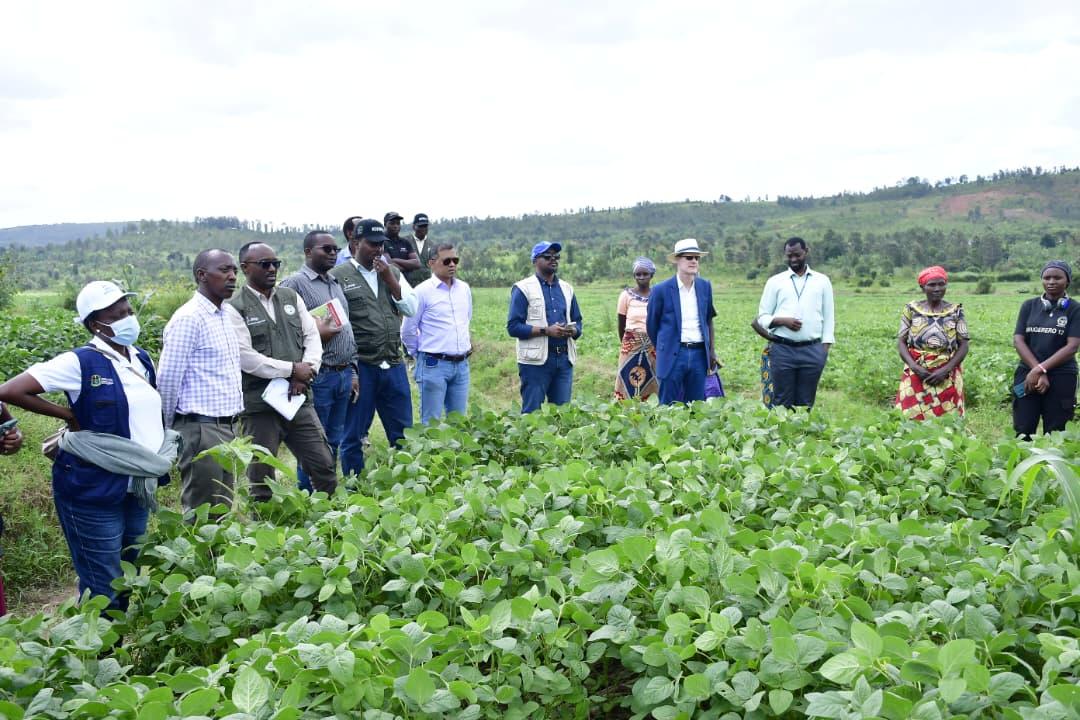
During a recent field visit, development partners and government officials visited soybean demonstration plots to assess the progress made under the FARM P3 initiative.
The project was launched in 2025 by the International Fund for Agricultural Development (IFAD) in partnership with the Rwanda Agriculture Board (RAB), cooperatives, development organizations, and private sector actors to strengthen soybean and maize value chains in Kayonza District.
Martin Parent, Agricultural Counsellor for East Africa and the Indian Ocean Region, said the project is already producing encouraging results.
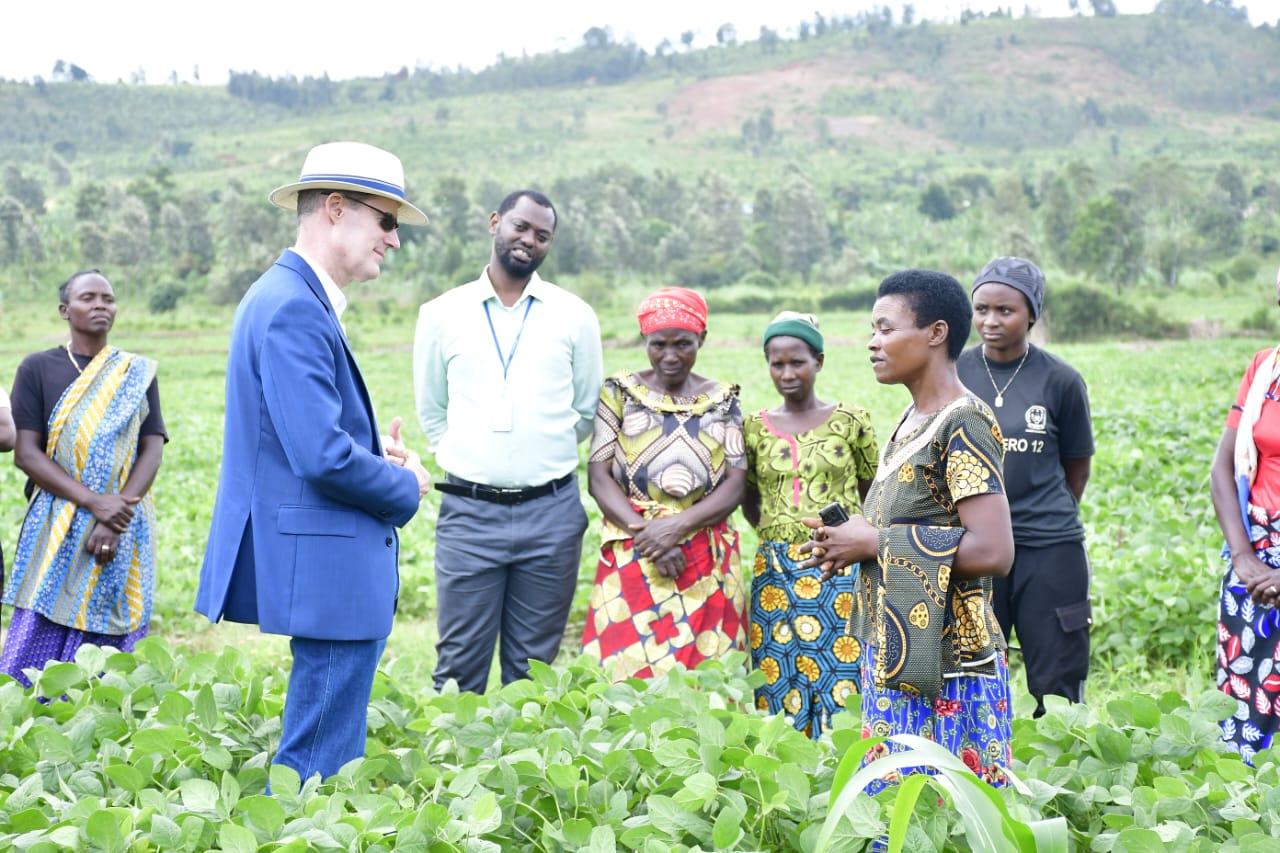
Martin Parent, Agricultural Counsellor for East Africa and the Indian Ocean Region ( The one wearing the blue suit), listens to farmers during a field assessment of the FARM P3 Project in Murundi Sector.
“What we see here is quite impressive because the project is addressing climate resilience, market access, and farmer income at the same time,” he said.
Kayonza District Mayor Fred Hategekimana said the project is helping farmers move from subsistence agriculture to market-oriented production.
“What we are seeing is not only increased production, but also a clear change in mindset among farmers,” he said.
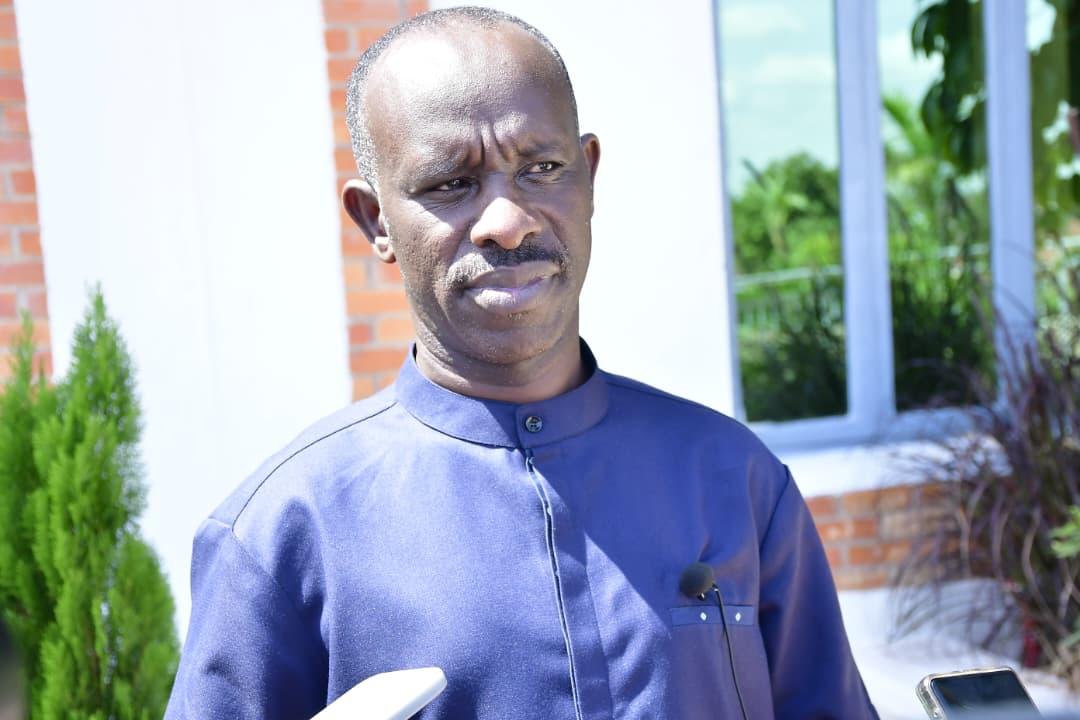
Kayonza District Mayor Fred Hategekimana addresses stakeholders during a field visit focused on agricultural transformation and market-oriented farming under the FARM P3 initiative.
Although farmers still face challenges such as limited irrigation equipment and drying facilities, stakeholders say FARM P3 is already transforming soybean farming in Kayonza District. Farmers remain optimistic that continued support, stronger partnerships, and improved market access will further increase production, reduce poverty, and strengthen food security in the region.

Leave a comment
Your email address will not be published. Required fields are marked *